 Chapter 03 · 2008–2011
Workfront
Product Team Lead
B2B SaaS · 75 to 350 employees · $10M to $100M in annual revenue
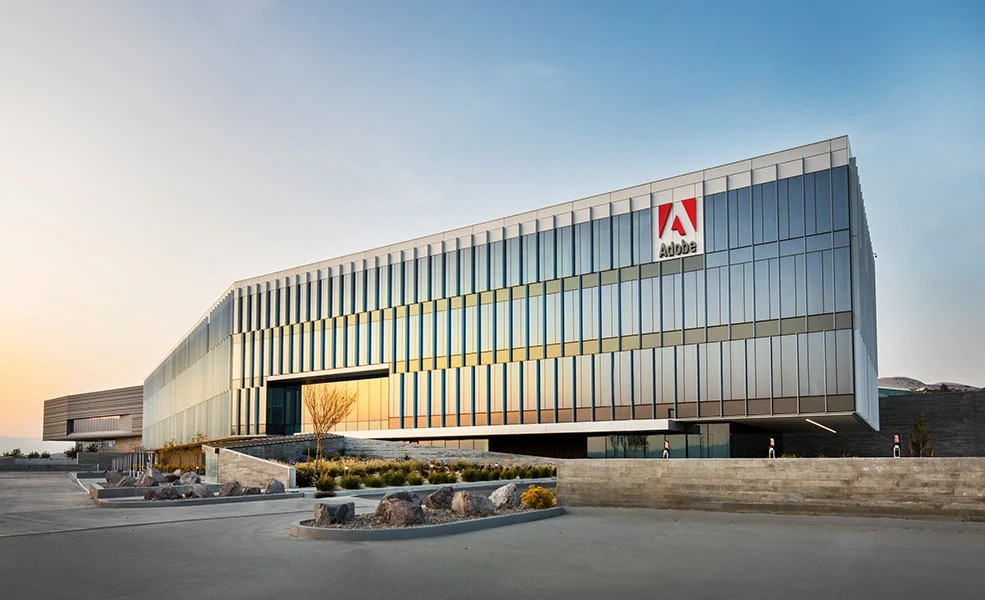
Work-management software for enterprise teams. Founded in Utah as AtTask, it rebranded to Workfront and later became part of Adobe’s business suite.
First product hire, recruited to give a fully engineering-led company a product vision and direction for its next phase of growth.
- $10M → $50Mrevenue in three years
- 4x · 5xpersona adoption validated
- 30clients and prospects studied on site
Give the product a point of view
The charter: vision and strategy for the next phase, in a company that had never had a product manager.
AtTask had always been led by engineering. They hired me as their first product manager to set a vision and strategy for what came next. Steve Ballard joined as head of design and became a mentor in user research. Josh Custer, from the implementation team, became a PM alongside me.
Josh and I pitched the C-team on a strategy built around renewals: deepen adoption among the key personas, grounded in jobs-to-be-done and in immediate value that makes the product sticky. We got buy-in to go find out who those people really were.
- Mark the executive, who needs visibility.
- Jen the project manager, our primary persona.
- Chris the frontline worker, who gets assigned tasks.
Go sit next to them
Three months, about 30 sites, and a lot of notepads.
We spent roughly three months visiting about 30 clients and non-clients in our target market, among them Nike, Merck, ESPN, and Train. We split into teams and watched five to ten people per site at their own desks, doing normal work for 30 to 60 minutes each, to see what a phone call with a primary contact never could.
We tested three persona hypotheses. The finding that mattered: frontline workers kept running their work somewhere else, on a notepad, a small whiteboard, or a private spreadsheet. The project manager’s tool was the project manager’s, and they tracked their own work their own way.
My Work: a workspace for Chris
A new area of the product, a new data model, and a six-month beta.
We built “My Work,” a workspace for the frontline worker, plus a team space that had not existed before, and a data model compatible with the existing one. Work could now flow from Jen to Chris and bubble back up to Mark’s dashboards. Research took three months, building and iterating three to four more, then a six-month beta with testers drawn from the people we had studied.
Two details came straight from watching people. Jen could only request work, in a tab called “Work Requests,” because Chris wanted to feel in control. And when adoption stalled on a button labeled “Accept,” we relabeled it “Work on it,” and requests started moving.
- 4x adoption by frontline workers (Chris).
- 5x adoption by project managers (Jen), driven by Chris.
- 2–3x adoption by executives (Mark).
Redesign the whole product, then pick a lane
How the strategy scaled, and why I was ready to leave.
After My Work, we redesigned every other area of the product around the same visual language and flows, adding social elements: connecting, sharing, and conversation. It meant a new data model and, in effect, a rewrite over several years.
Revenue grew from about $10M to $50M in three years. A dedicated marketing team then caught Adobe’s eye. With the redesign in place and the growth realized, I was ready for what was next, and Lendio’s CMO reached out to set up lunch with the CEO.
Continue to the next chapter