 Chapter 02 · 2006–2008
Optum Insight
Senior Project Manager, Release Manager
Healthtech · 4,500 employees · $1.6B in annual revenue
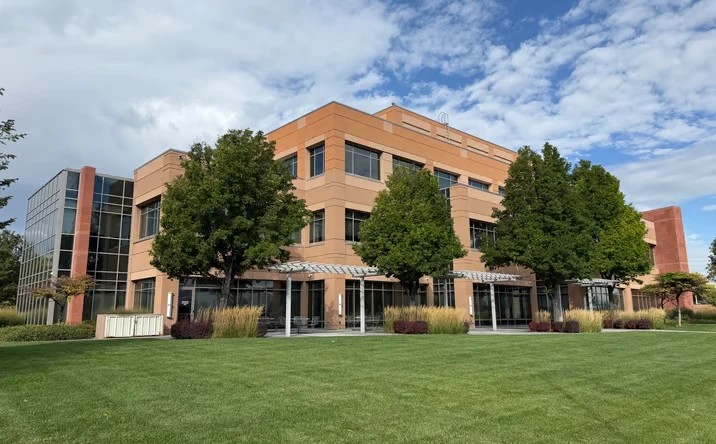
The data and analytics arm of UnitedHealth Group, then called Ingenix and later rebranded Optum Insight: 4,500 people and $1.6 billion in annual revenue, with offices in West Valley, Utah.
Hired to bring a monthly release cadence to 21 business-critical applications, managing the business analyst and engineering backlogs behind them.
- 21applications under one release process
- Monthlyrelease cadence, established
- $600MSaaS revenue booked
Twenty-one applications, one calendar
The charter: bring order to a release process everyone was frustrated with.
The company ran on 21 applications, and they were nothing alike. Some were purchased (Cognos, Microsoft Project); some were fully custom, built in-house. Together they covered CRM, invoicing, marketing automation, ticketing, infrastructure automation, auditing, marketing websites, and inventory.
Every department wanted its changes first, and there was no shared way to decide. The people I served were the VPs and teams who depended on these systems, and the analysts and engineers who had to build what they asked for.
- The problem competing priorities across many departments, with no agreed way to choose.
- The risk revenue-critical systems released unpredictably.
- The ask a stable, predictable, reliable monthly release.
A rubric people could trust
Prioritization built with the VPs who had to live with it.
I started with research and collaboration, working directly with VPs across departments to understand what each system meant to their business. Together we built a prioritization process and a rubric that made trade-offs visible, so the answer to "why not mine?" was never a mystery.
On top of that, I managed the backlogs: business analysts handled research and specification, and I coordinated the engineering teams to build what was specified, all on one release process spanning the 21 applications.
A well-oiled monthly release
Predictable cadence, aligned departments, and a revenue milestone.
Releases moved from ad hoc to a monthly rhythm across all 21 applications, with departments aligned behind a shared backlog. Among the things we shipped were automated renewals, which helped book $600 million in SaaS revenue.
The measure that mattered most was the one stakeholders gave us: people who had been very frustrated with the process told us we had brought order to chaos.
- Backlog prioritization one rubric, applied across departments.
- Monthly releases established and kept across 21 apps.
- Automated renewals released, with $600M in SaaS revenue booked.
Predictability is a product
What I took with me, and what I went looking for.
Process is something you design for the people inside it. The rubric worked because the VPs had helped build it, and the cadence worked because it was dependable month after month. Trust came from keeping the promise, not from the plan.
Once the process was running on a regular cadence and the feedback was strong, I wanted to try a startup. While researching alternatives to Microsoft Project for my own team, I found AtTask, and learned they were hiring their very first product manager.
Continue to the next chapter